Apply for a Research Track
This page grants access to research track enrollment for the 13 tracks below
(NOTE: the current cohorts for Protein Design & Drug Design are filled; you can apply, but it would be for the next cohort)
Our research tracks are multi-semester deep dives into an exciting current research topic, culminating in a research paper submission, a science fair competition project, and potentially more advanced research as well as opportunities such as patent filings and internships.
Schedule a required enrollment conversation and apply for a specific cohort and research opportunity below:
STEP 1:
Schedule an Enrollment ConversationSTEP 2: Apply for a specific research track below
Single-Cell Genomics Research Track
Research in single-cell biology, transcriptomics, and data-driven discovery.
The track begins with the classical toolkit for transcriptomic analysis, then advances into modern machine learning for cell states, trajectories, and single-cell genomic data.
Apply for the Next CohortProtein Design Research Track
Research in protein structure, molecular modeling, and AI-guided design.
The track begins with the foundations of protein structure and computational modeling, then advances into modern machine learning for folding, docking, and sequence-based design.
Apply for the Next Cohort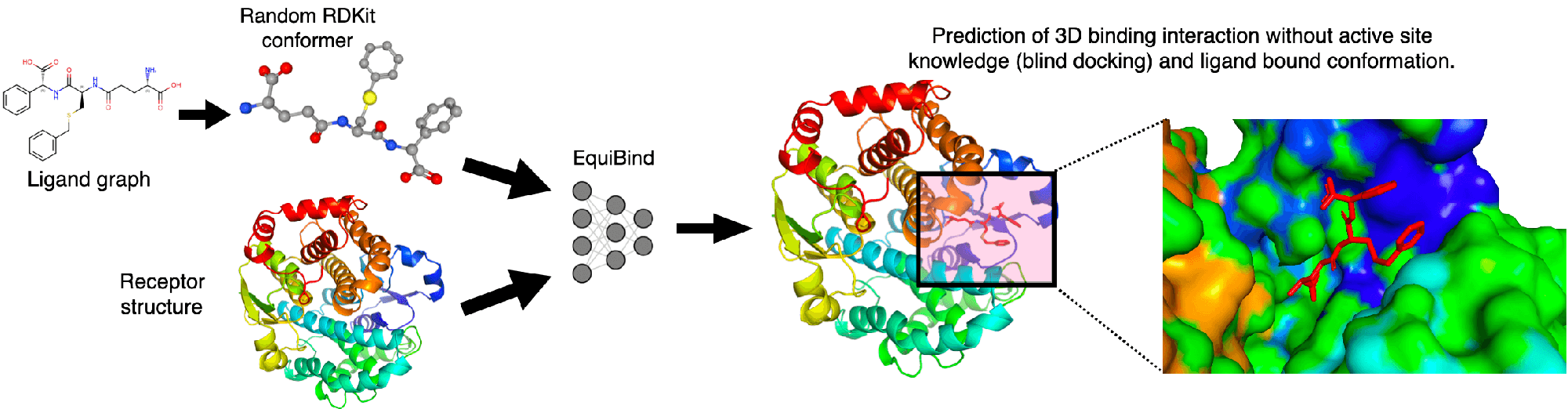
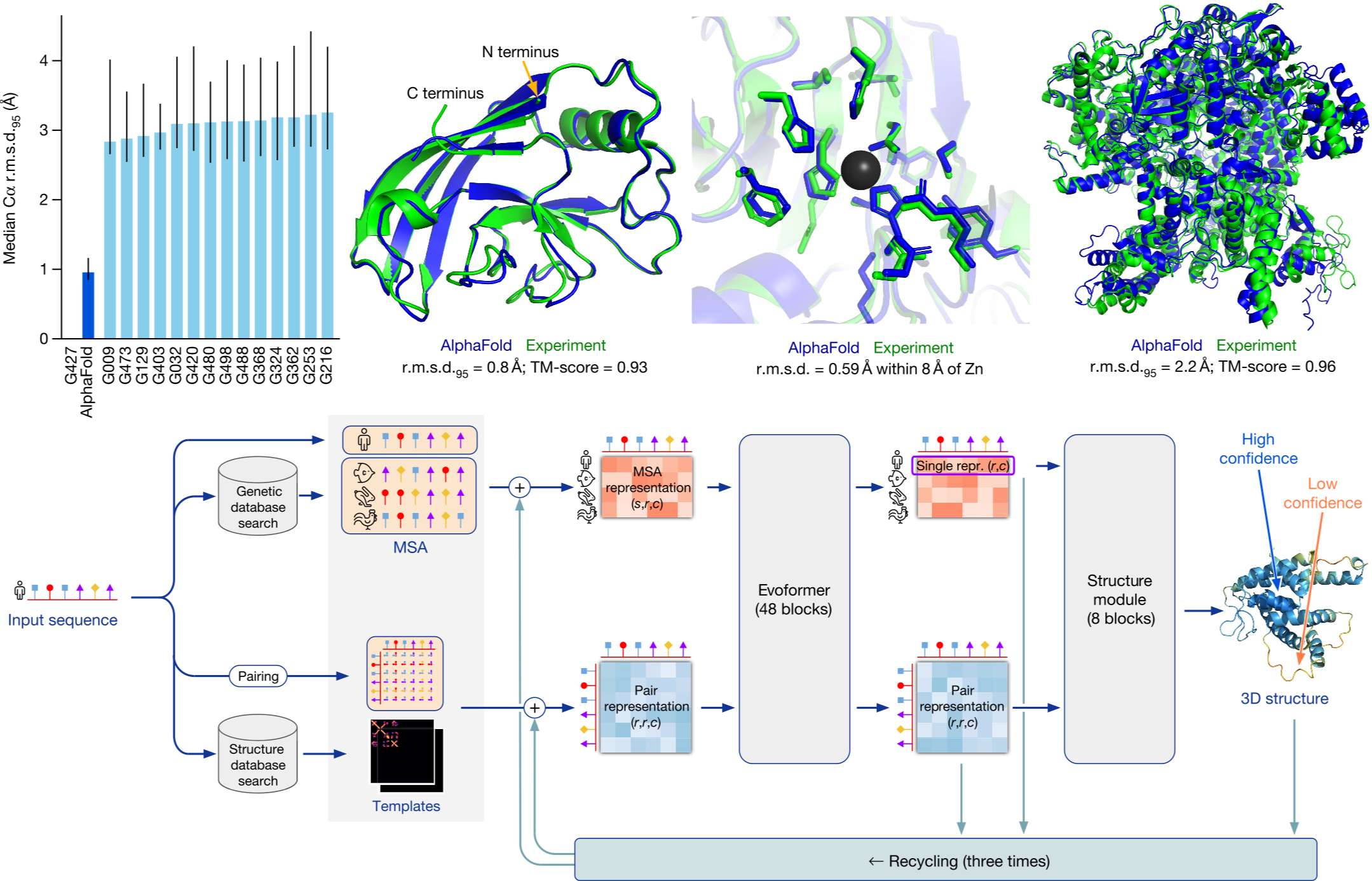
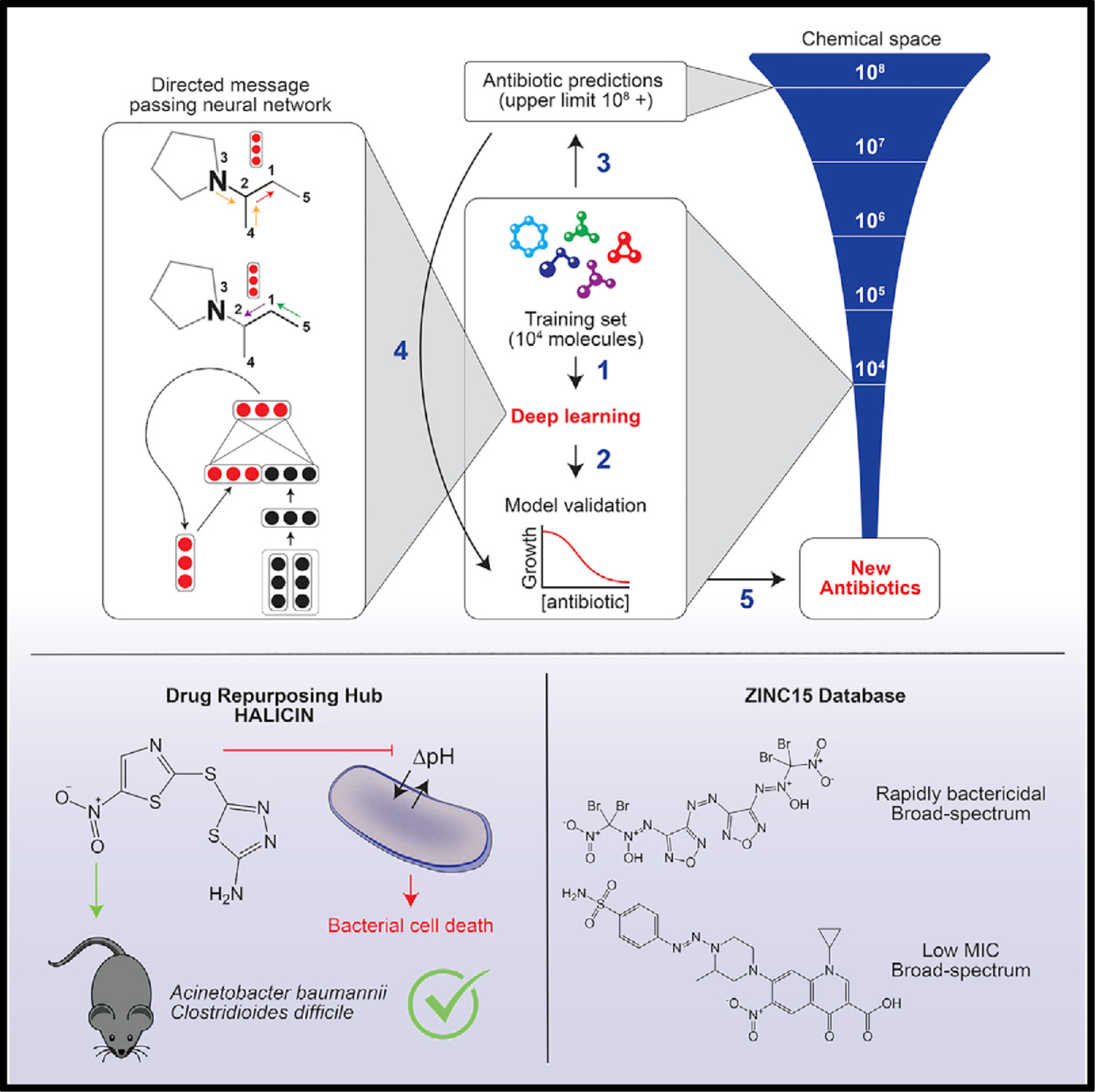
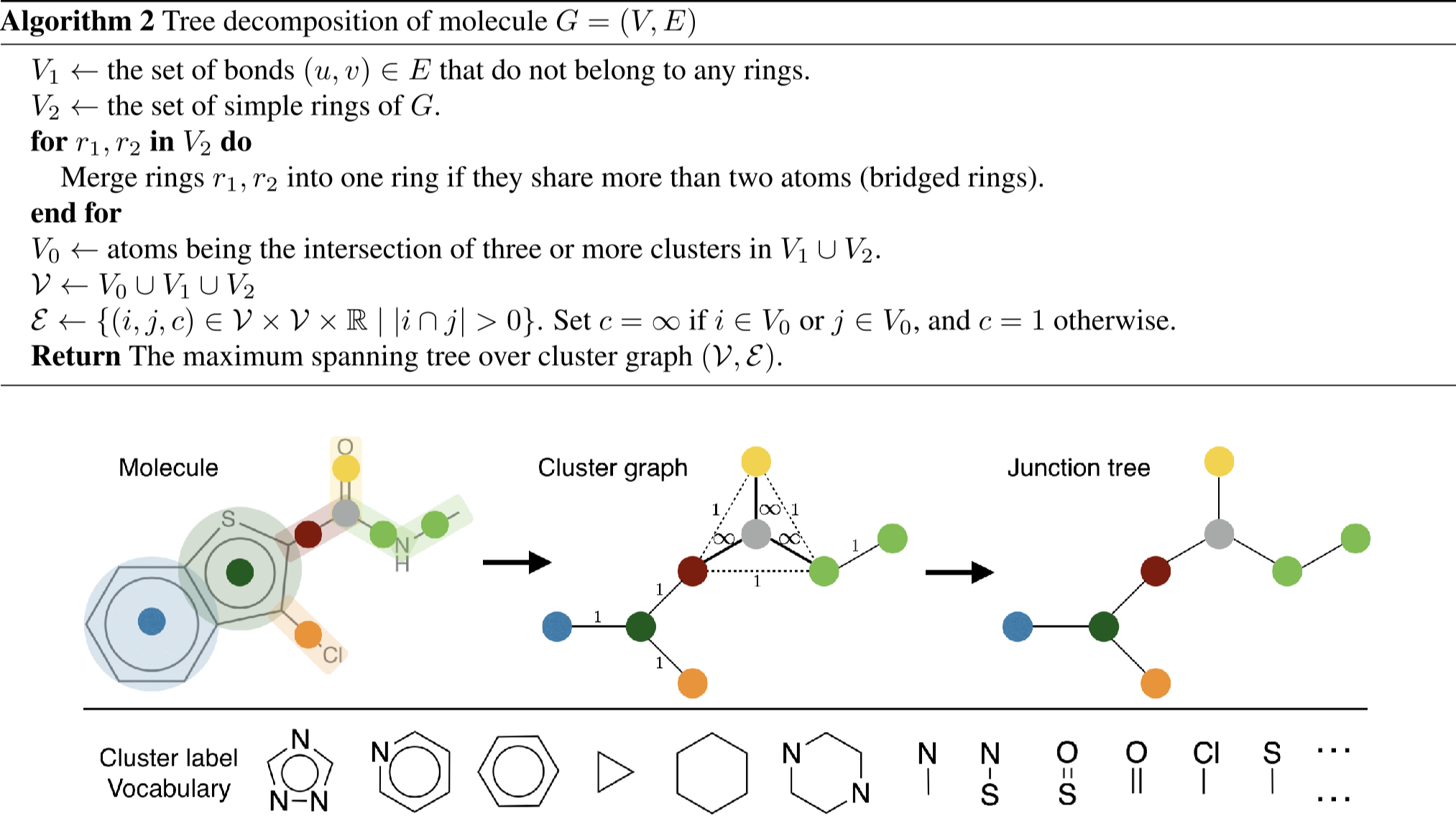
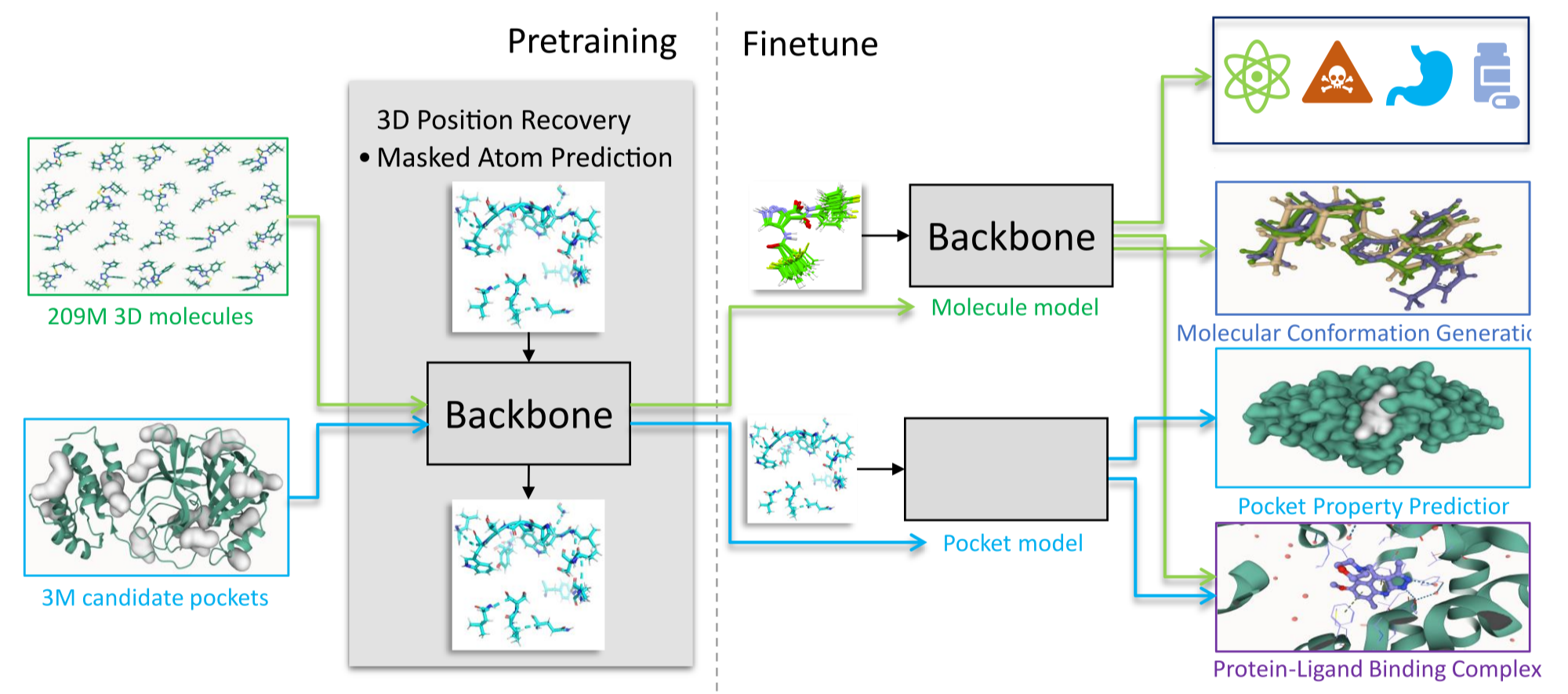
References for the figures above in order of their appearance. These are state-of-the-art research papers in biochemistry and top high school students have understood research at this level and engaged in research using similar techniques (typically with university mentors)
[1] Stärk, Hannes, et al. "Equibind: Geometric deep learning for drug binding structure prediction." International conference on machine learning. PMLR, 2022.
[2] Jumper, John, et al. "Highly accurate protein structure prediction with AlphaFold." nature 596.7873 (2021): 583-589.
[3] Stokes, Jonathan M., et al. "A deep learning approach to antibiotic discovery." Cell 180.4 (2020): 688-702.
[4] Jin, Wengong, Regina Barzilay, and Tommi Jaakkola. "Junction tree variational autoencoder for molecular graph generation." International conference on machine learning. PMLR, 2018.
[5] Zhou, Gengmo, et al. "Uni-mol: A universal 3d molecular representation learning framework." The eleventh international conference on learning representations. 2023.
Spatial Omics Research Track
Research in spatial biology, digital pathology, and multi-omic machine learning.
The track begins with the core tools of computational pathology and image-based analysis, then advances into modern machine learning for spatial transcriptomics, proteomics, and spatial tissue-level discovery.
Apply for the Next CohortComputational Oncology Research Track
Research in cancer genomics, tumor data analysis, and AI for precision oncology.
The track begins with the classical toolkit of cancer bioinformatics, then advances into modern machine learning for genomics, multimodal tumor data, and precision oncology.
Apply for the Next CohortRegulatory Genomics Research Track
Research in gene regulation, noncoding DNA, and sequence-based deep learning.
The track begins with the foundations of genomics and gene expression analysis, then advances into modern machine learning for regulatory DNA, enhancer logic, and noncoding variant interpretation.
Apply for the Next CohortDrug Design Research Track
Research in molecular design, therapeutics discovery, and AI for drug development.
The track begins with the foundations of chemistry, molecular structure, and computational modeling, then advances into modern machine learning for small molecules, screening, and AI-guided drug discovery.
Apply for the Next CohortSemiconductor Devices Research Track
Research in semiconductors, next-gen transistors, and AI for advanced semiconductor engineering.
The track begins with the foundations of transistor physics, semiconductor and electronic materials, and device behavior, then advances into modern AI for Science methods for semiconductor modeling, design, process-aware analysis, and emerging device architectures.
Apply for the Next CohortLasers & Integrated Optics Research Track
Research in photonics, optical systems, and AI for advanced light-based technologies.
The track begins with the foundations of laser physics, optics, and photonic devices, then advances into modern research topics for lasers, integrated optics, precision sensing, and next-generation optical systems.
Apply for the Next CohortCS/AI: Foundations of Machine Learning & Information Theory Research Track
Research in machine learning foundations, information theory, and the statistical / mathematical principles of AI applied to real models and network architectures.
The track begins with the foundations of probability, optimization, and classical machine learning, then advances into practical research into better understaning and optimization of deep learning systems that otherwise can be treated as black boxes.
Apply for the Next CohortPhysics-based AI & Applied Math AI Methods Research Track
Research in scientific machine learning, dynamical systems, and AI for physics and applied mathematics.
The track begins with the foundations of mathematical modeling, differential equations, and advances into modern AI for Science methods (like physics-informed machine learning and SINDy) for simulation to solve inverse problems, system dynamics discovery and contol systems design.
Apply for the Next CohortNeuroscience Research Track
Research in computational neuroscience, and brain imaging methods such as EEG. fMRI, and fNIRS.
The track begins with the foundations of neurobiology, and quantitative neural signal analysis via techniques like EEG/fNIRS/fMRI, and dynamics of cognitive systems and computational neuroscience.
Apply for the Next CohortMaterials Science & Engineering Research Track
Research in advanced materials, structure-property relationships, and AI for materials innovation.
The track begins with the foundations of materials science, characterization, and computational modeling, then advances into modern AI for Science methods for materials prediction, rational design, optimization, and discovery.
Apply for the Next CohortPhysiology & Cardiology Research Track
Research in human physiology, biomedical systems, and AI for modern health science.
The track begins with the foundations of organ systems, physiological regulation, and biomedical data, then advances into modern AI for Science methods for cardiovascular analysis, disease modeling, and computational physiology.
Apply for the Next Cohort